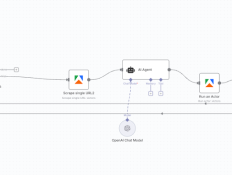
CosmeticRx’s influencer campaigns scaled rapidly, but their email workload didn’t.
Hundreds of creators emailed daily with interest, questions, and rate requests.
White City Logistics
White City Logistics struggled to keep up with daily recruiting and safety calls.
HR repeated the same driver qualification questions over and over.
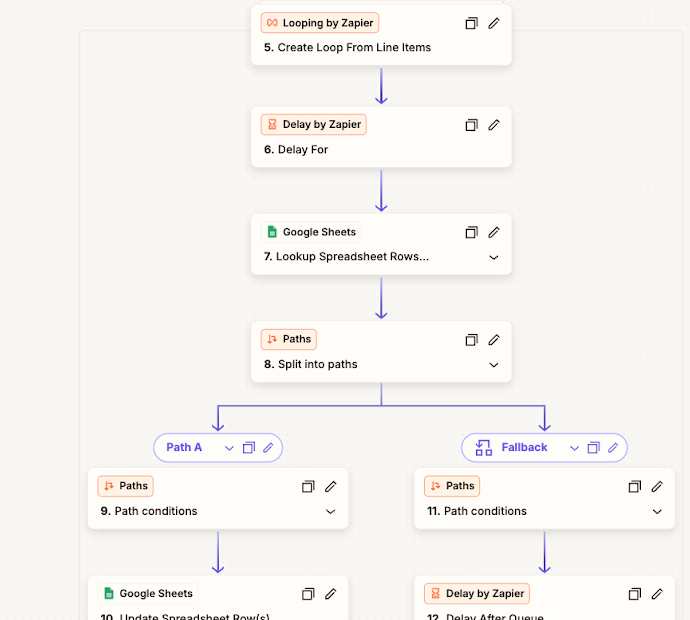
DHCS
DHCS relied on manual spreadsheets and PDF scrolling to process Medicaid remittances — often 500+ pages long.
Empower Psychotherapy
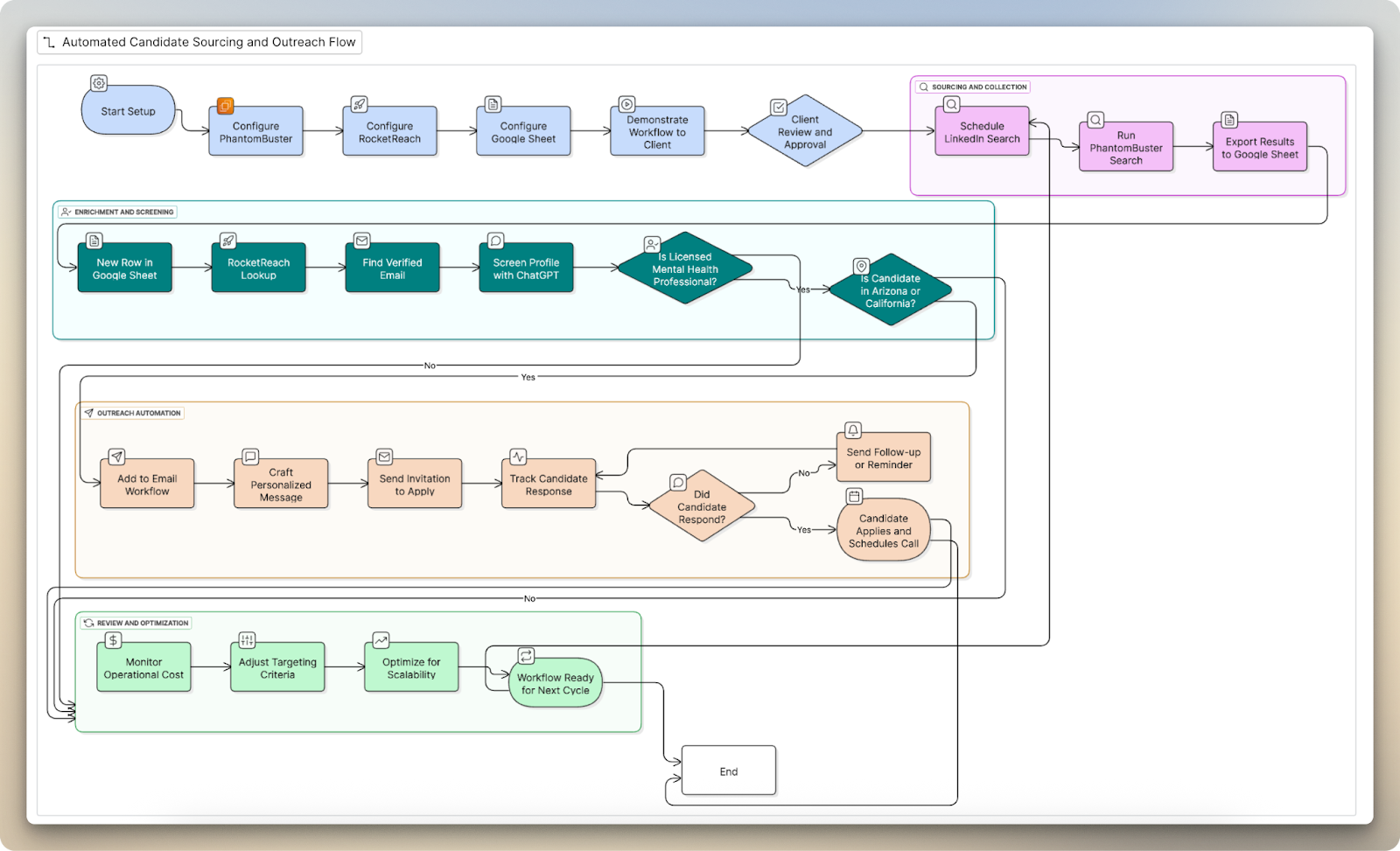
Empower Psychotherapy needed to recruit licensed mental-health providers across Arizona and California.
Automated Content Research
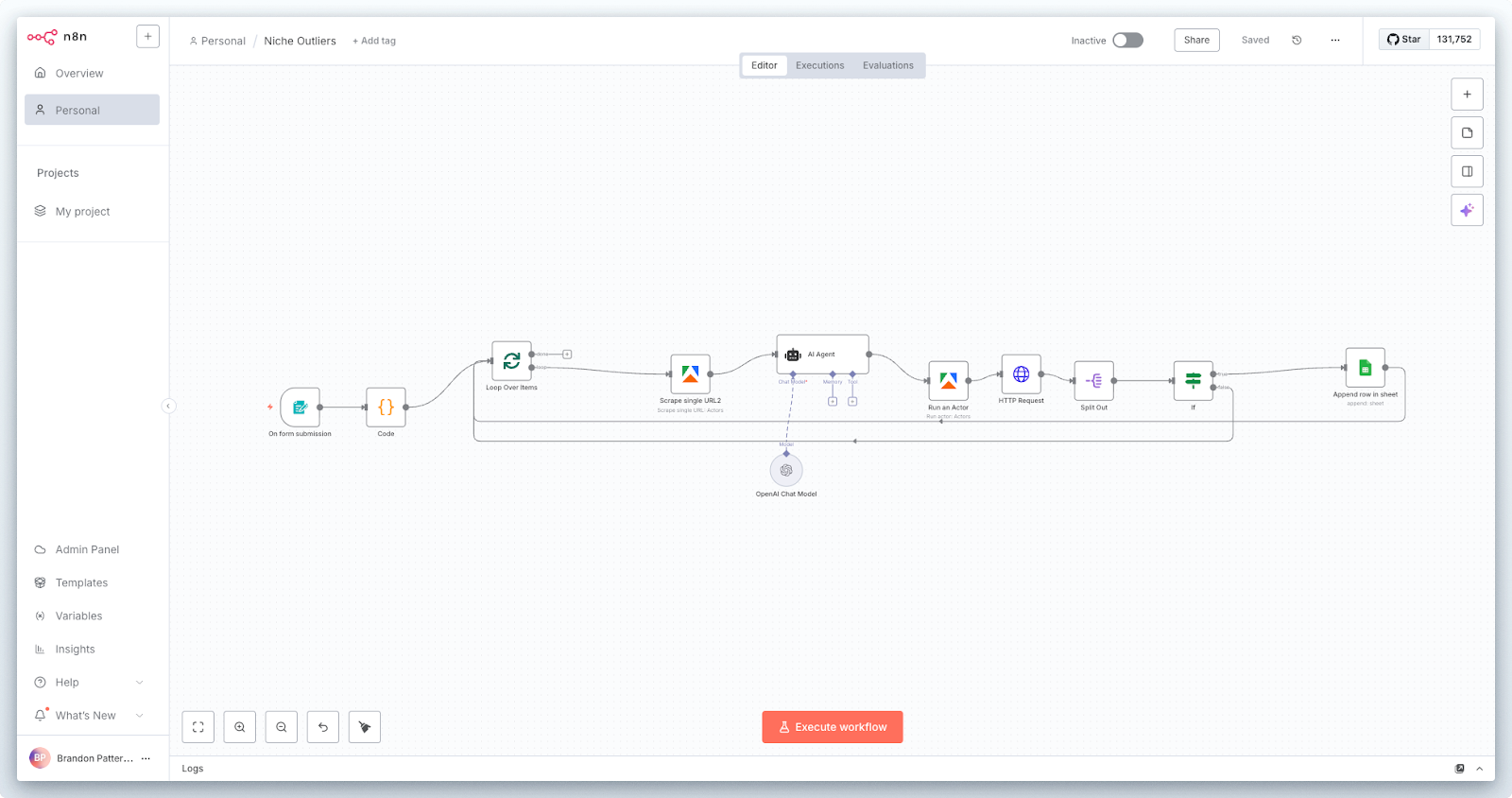
Brandon spent nearly 2 hours every day researching content ideas for Instagram and LinkedIn.
Automated Permit
Construction and real-estate teams depend on fresh permit data to win bids — but accessing it consistently was nearly impossible.
IsraelMovers
IsraelMovers.co.il managed hundreds of daily moving leads using Excel + SMS.
Derya
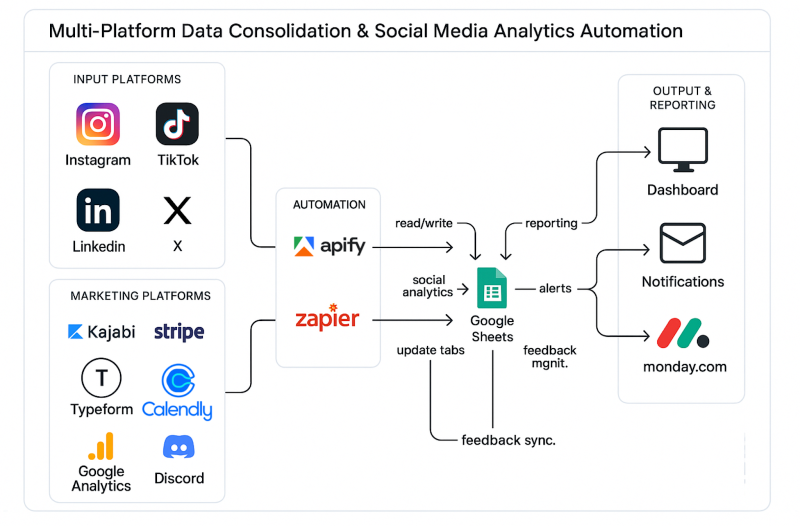
Derya’s education business ran across 9+ platforms — none of which communicated with each other.
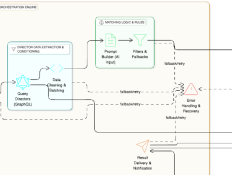
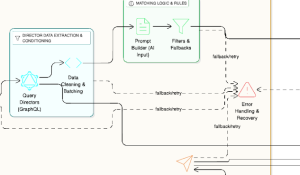
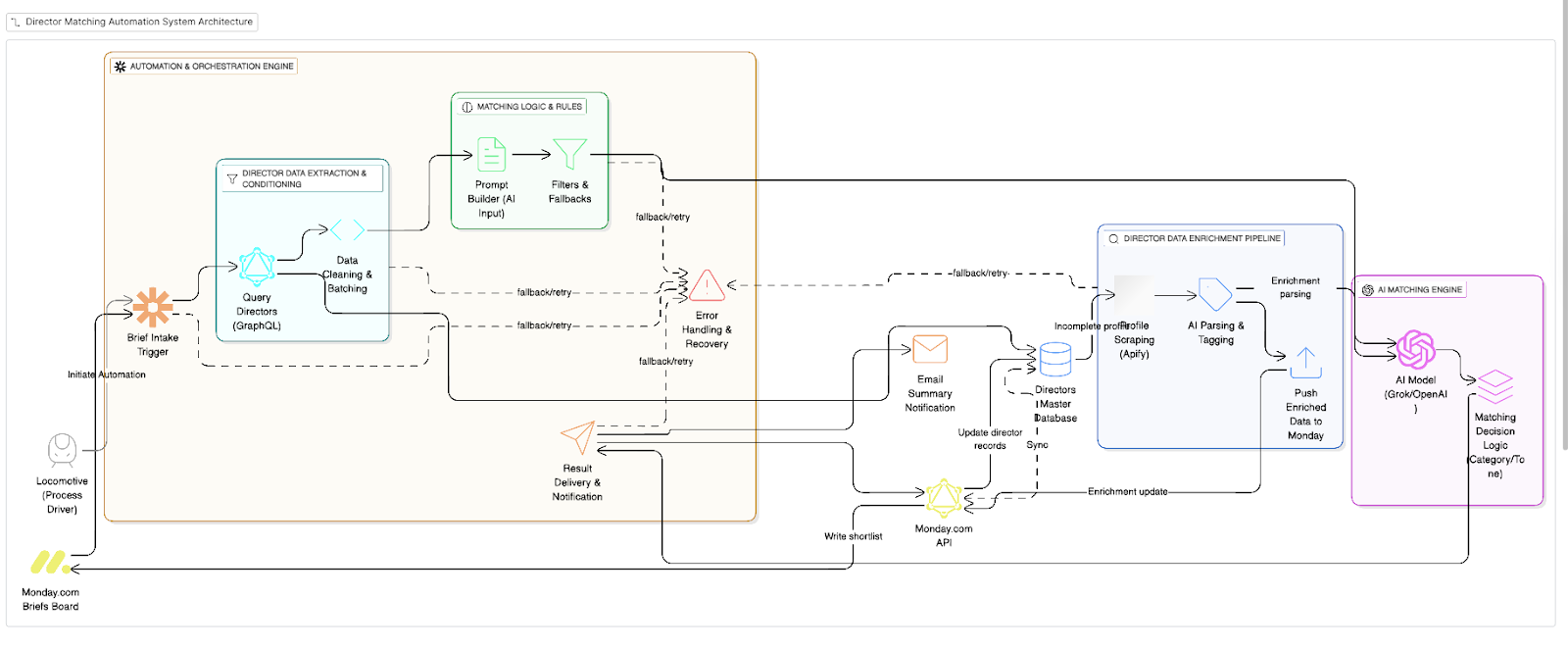
AI Director Matching
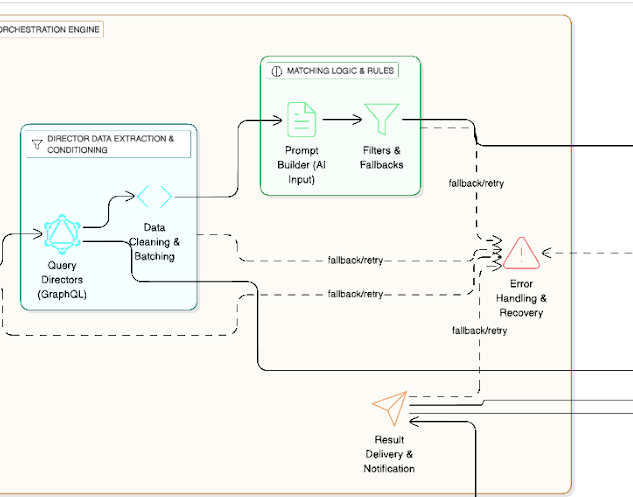
The team spent hours manually shortlisting directors for every new brief.
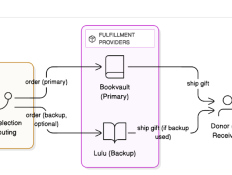
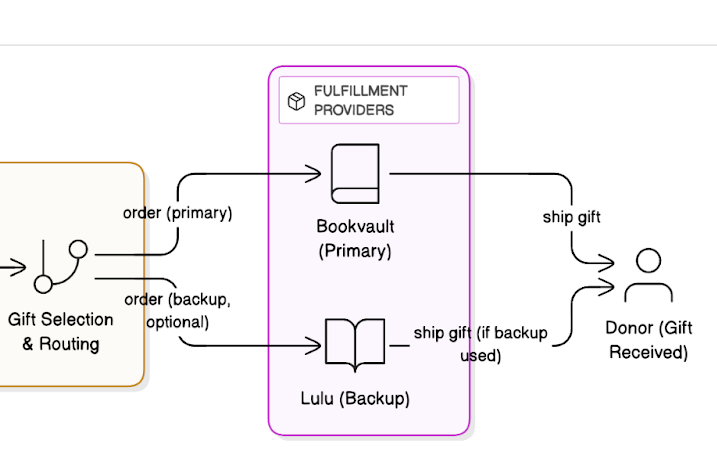
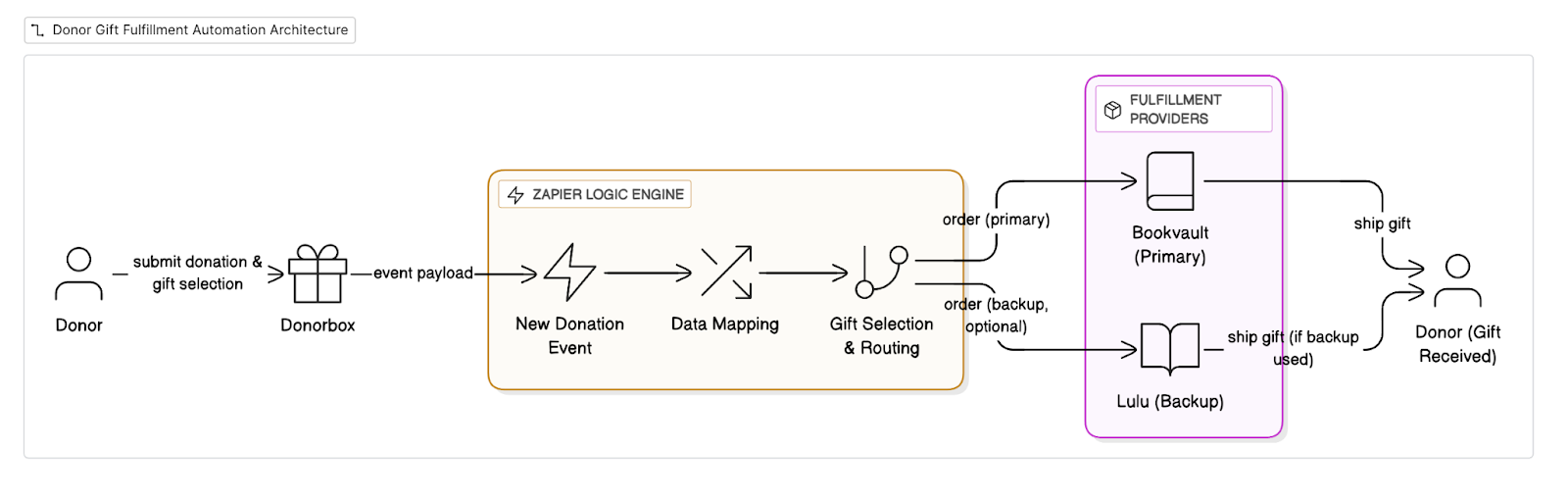
Automated Donor Gift Fulfillment
The nonprofit team manually fulfilled every donor book gift — copying addresses, selecting products, and placing print-on-demand orders one by one.
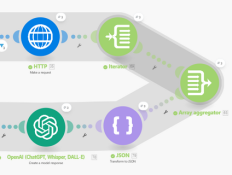
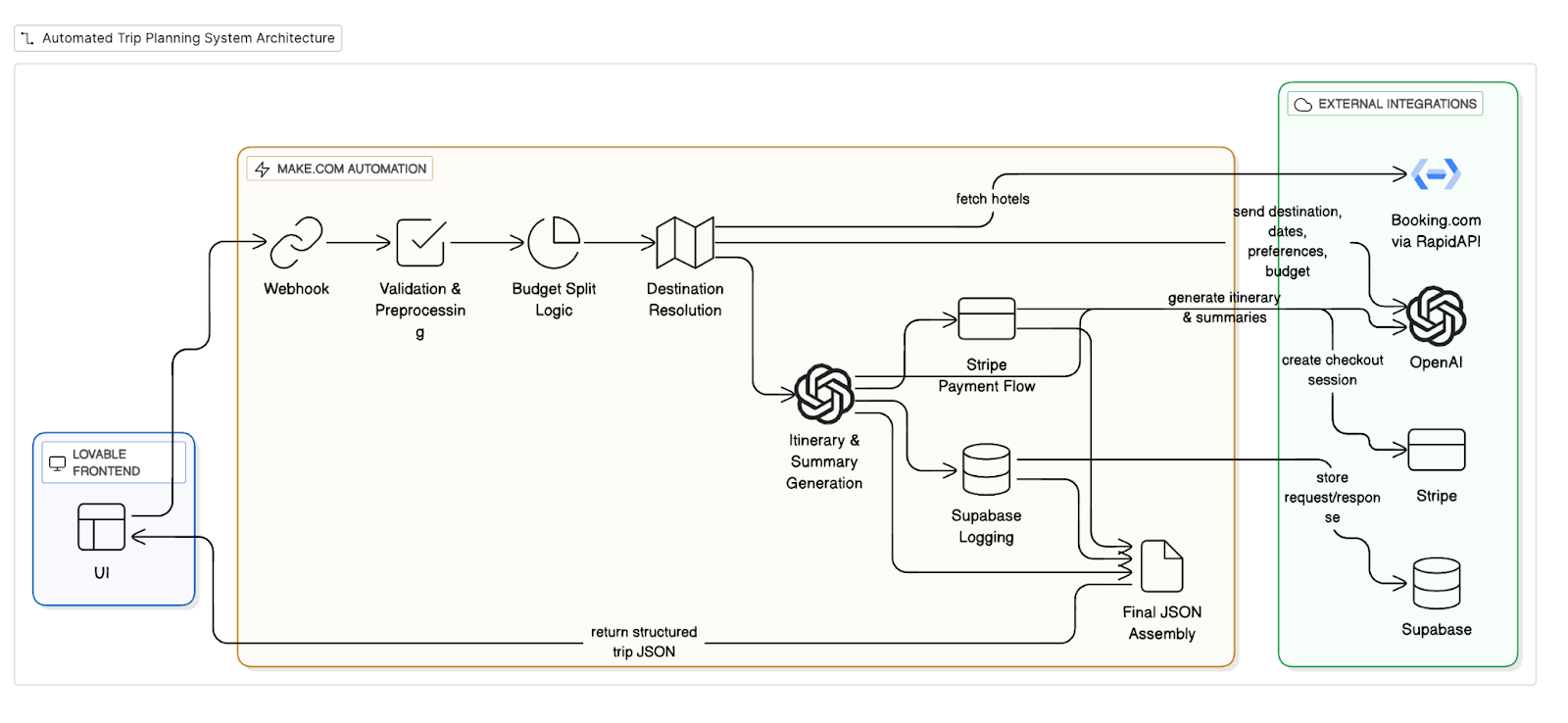
AI Trip Planner
Users wanted fast, accurate trip plans — not hours of manual searching or inconsistent recommendations.
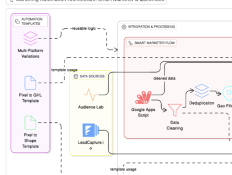
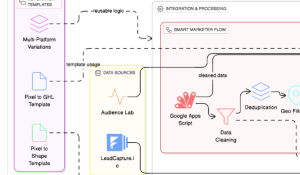
Smart Marketer & QuestRock
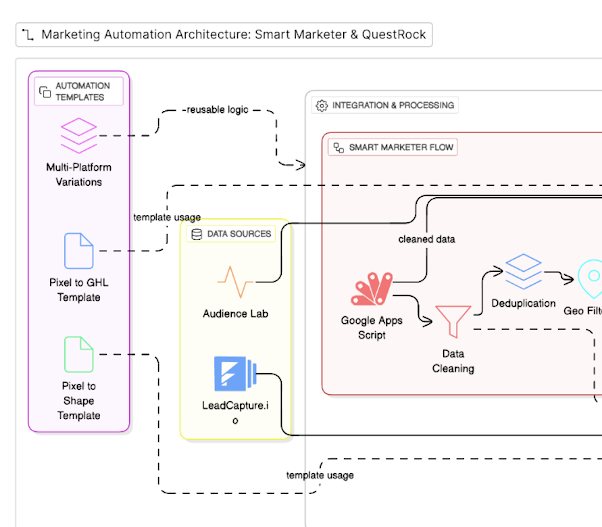
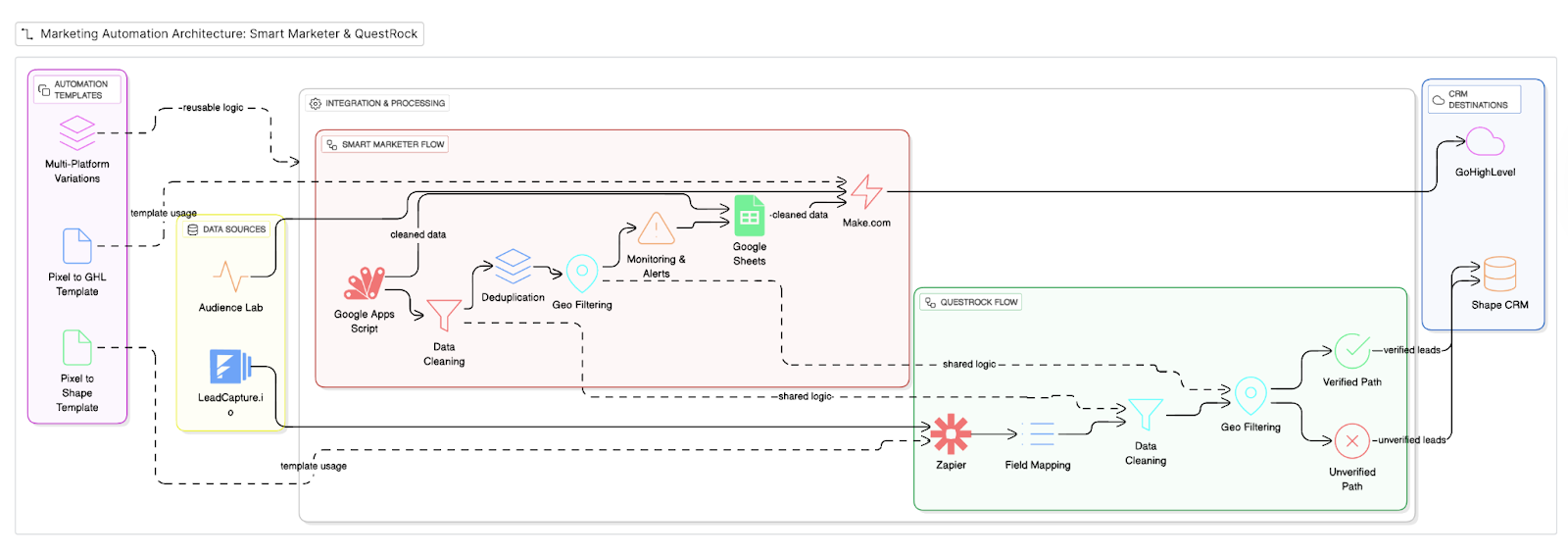
Smart Marketer and QuestRock were losing leads because their data pipelines weren’t connected.
Case Studies
CosmeticRx
Automated influencer onboarding and communications to handle 10x campaign volume without increasing headcount
White City Logistics
Replaced repetitive recruiting and safety calls with automated qualification and AI-driven workflows, reducing HR workload & response time
DHCS
Eliminated manual Medicaid remittance processing by automating PDF and spreadsheet workflows, cutting processing time across high-volume reports
Empower Psychotherapy
Replaced repetitive recruiting and safety calls with automated qualification and AI-driven workflows, reducing HR workload & response time
Automated Content Research
Brandon spent nearly 2 hours every day researching content ideas for Instagram and LinkedIn.
Automated Permit
Construction and real-estate teams depend on fresh permit data to win bids — but accessing it consistently was nearly impossible.
IsraelMovers
IsraelMovers.co.il managed hundreds of daily moving leads using Excel + SMS.
Derya
Derya’s education business ran across 9+ platforms — none of which communicated with each other.
AI Director Matching
Users wanted fast, accurate trip plans — not hours of manual searching or inconsistent recommendations.
Automated Donor Gift Fulfillment
The nonprofit team manually fulfilled every donor book gift — copying addresses, selecting products, and placing print-on-demand orders one by one.
AI Trip Planner
The team spent hours manually shortlisting directors for every new brief.
Smart Marketer & QuestRock
Smart Marketer and QuestRock were losing leads because their data pipelines weren’t connected.
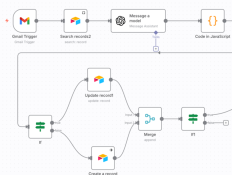
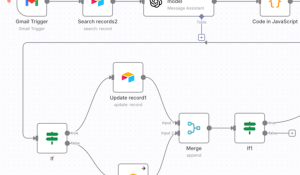
CosmeticRx’s influencer campaigns scaled rapidly, but their email workload didn’t. Hundreds of creators emailed daily with interest, questions, and rate requests. Manual replies, sorting, and onboarding created delays, inconsistent communication, and lost opportunities. The team couldn’t keep up — and growth stalled.
Our Solution
1
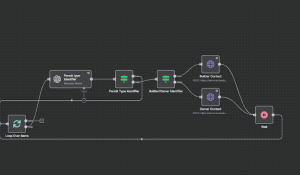
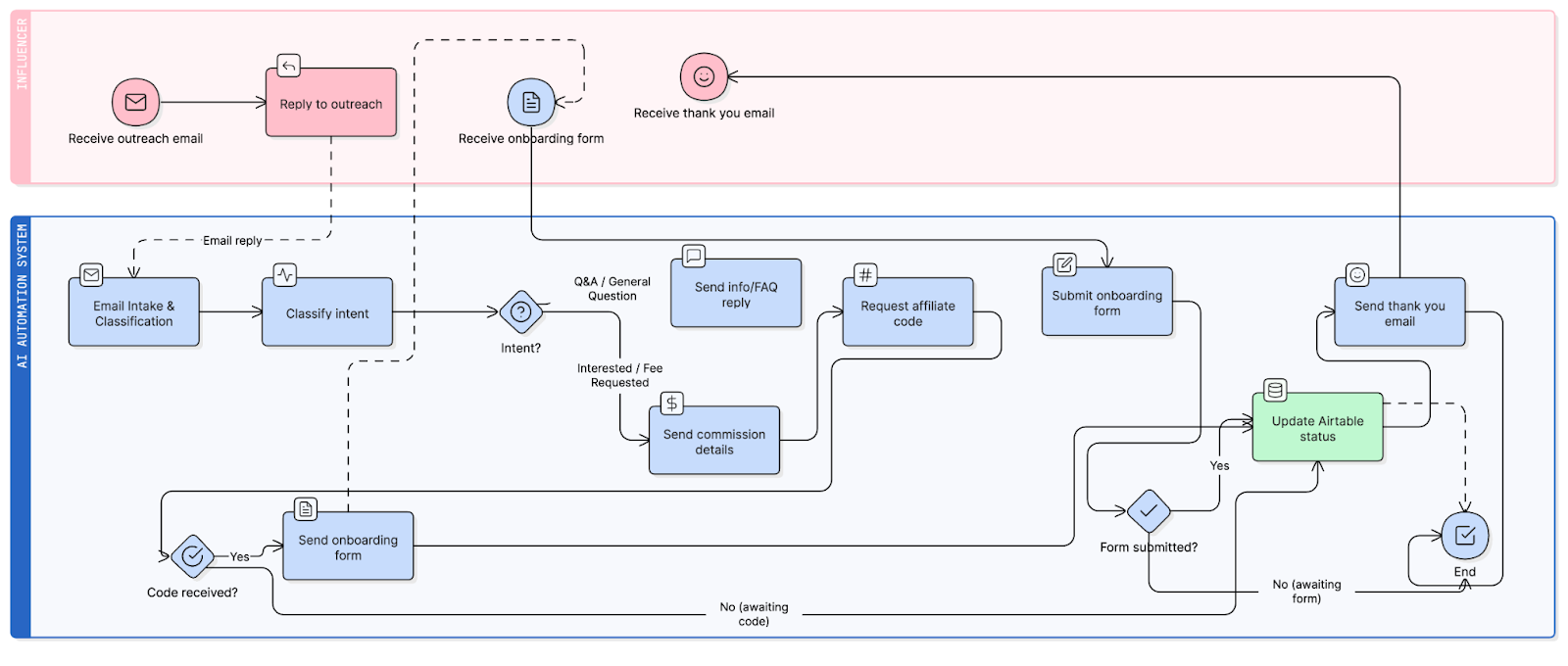
Automated influencer intake & classification
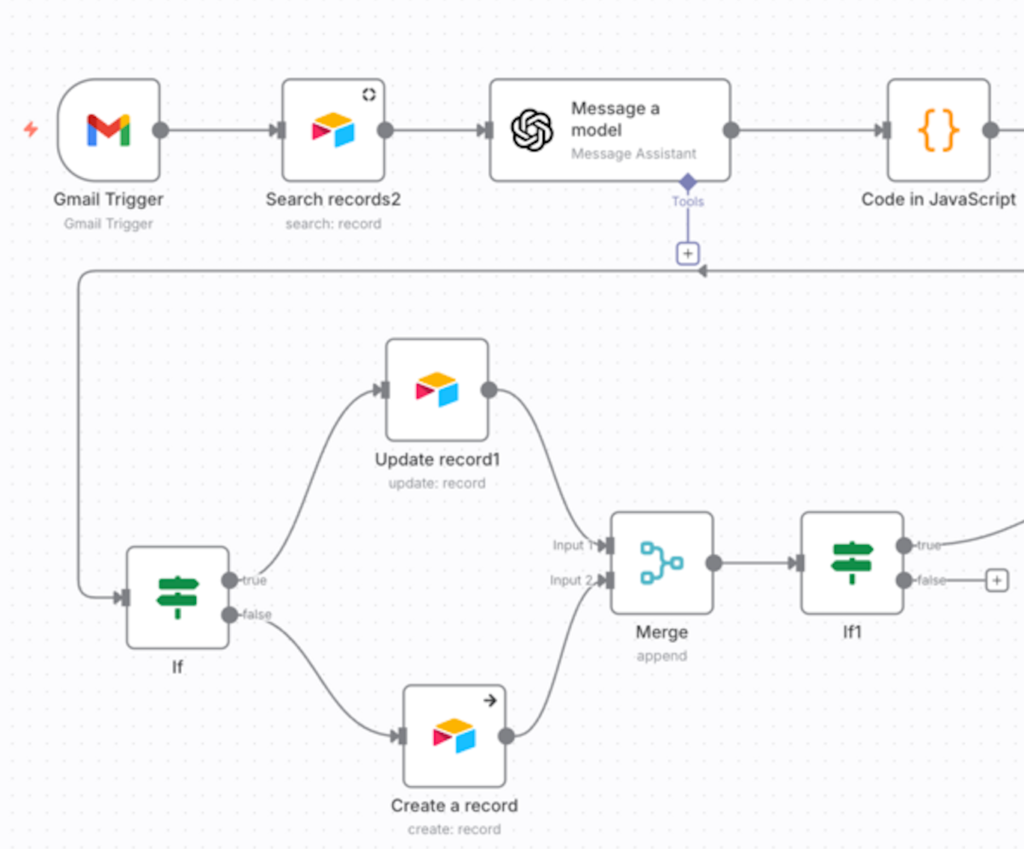
Incoming emails were instantly categorized (Interested / Fee Request / Q&A / Declined) and logged in Airtable.
2
Sent brand-consistent replies automatically
Influencers received fast, personalized responses inside the same Gmail thread — without human involvement.
3
Streamlined onboarding with prefilled forms
Interested creators received prefilled Fillout forms to submit payment details, affiliate codes, and onboarding info.
4
Created full visibility for the team
Airtable tracked every step: first reply → onboarding form → code received → campaign status.
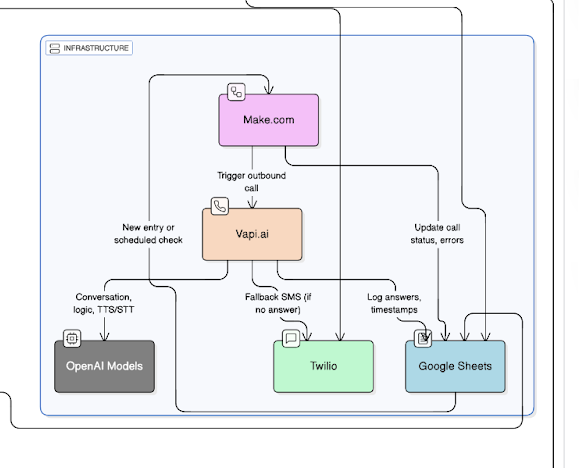
White City Logistics — AI Voice Recruiting & Safety Automation
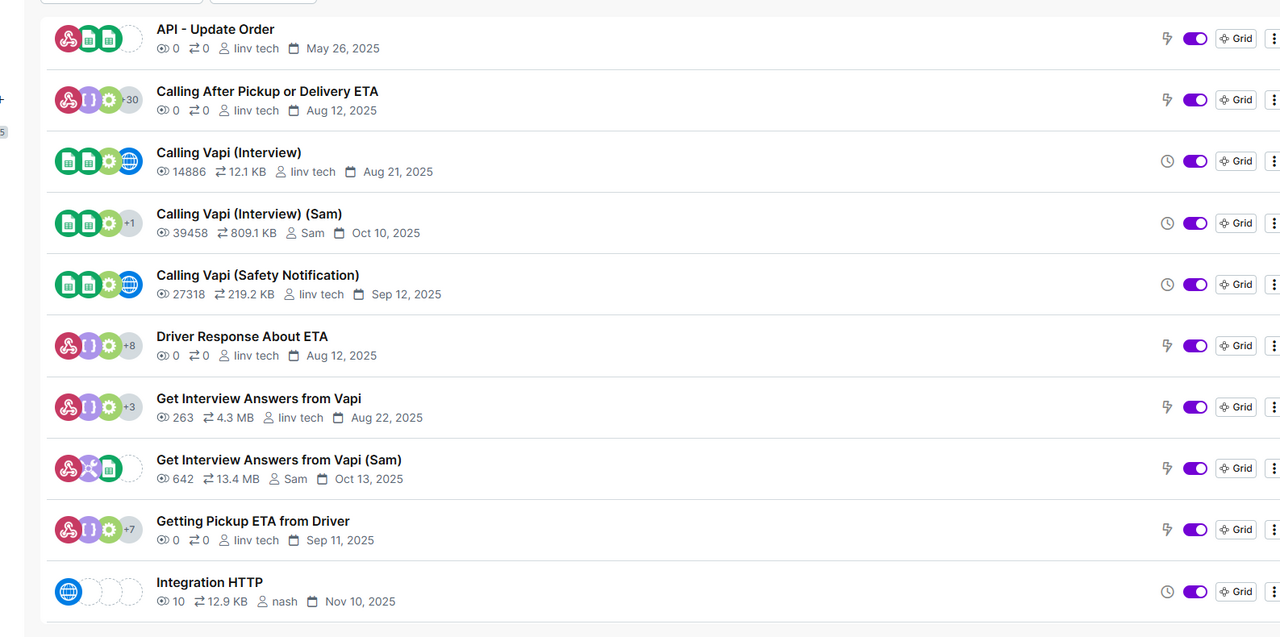
Trucking & Logistics • Vapi • Make.com • Google Sheets • Twilio • OpenAI
The Challenge
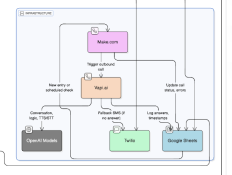
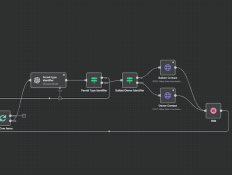
White City Logistics struggled to keep up with daily recruiting and safety calls. HR repeated the same driver qualification questions over and over. Safety teams spent hours each week checking on maintenance issues — often missing details or follow-ups. When inquiry volume spiked, calls were inconsistent, notes were incomplete, and the entire workflow broke under pressure.
Our Solution
1
Implemented AI voice agents for recruiting & safety
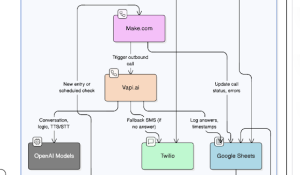
Created two natural voice agents (Roxy & Ray) to handle driver qualification and weekly safety checks automatically.
2
Automated outbound calling with dynamic question flows
Each call pulled updated questions from Google Sheets and logged structured answers back into Sheets.
3
Added intelligent follow-ups and escalation routing
Integrated SMS, email, and critical-issue escalation through Make.com and Twilio.
4
Synced all call outcomes to HR & Safety systems
Every interaction now updates in real time, creating full visibility across teams.
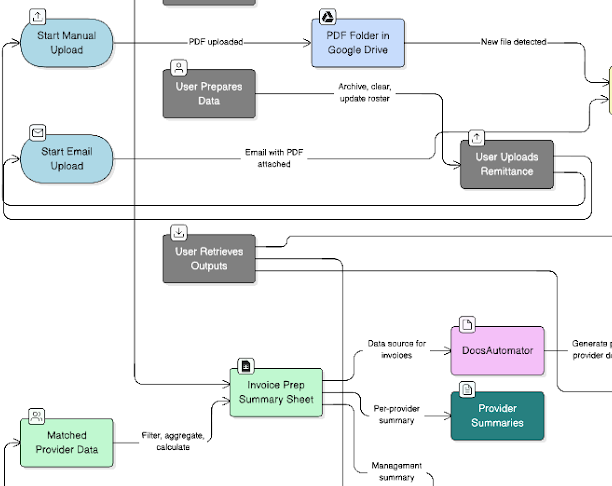
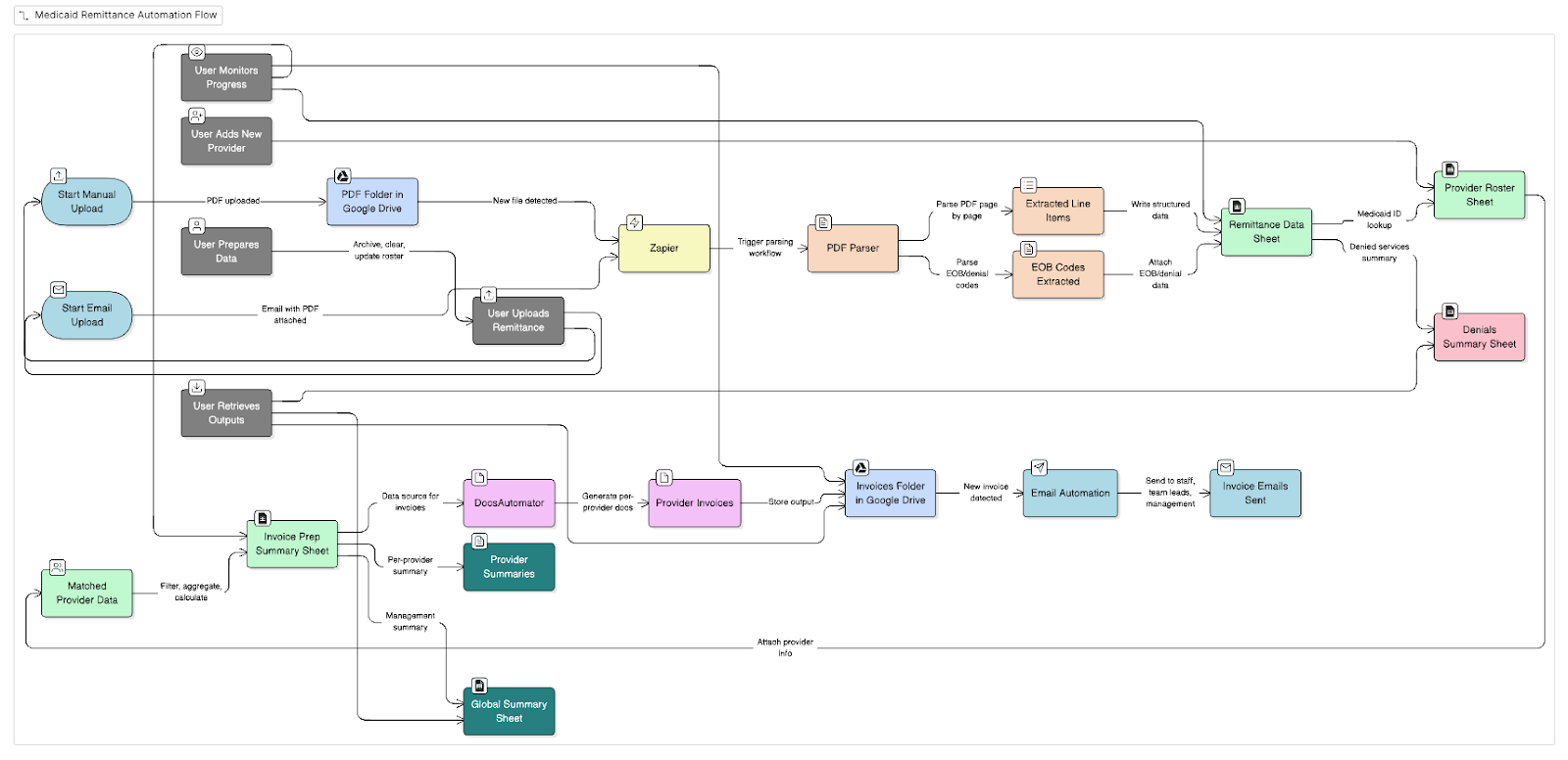
Healthcare • Zapier • Google Sheets • PDF Parsing • DocsAutomator
The Challenge
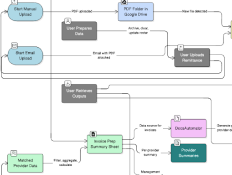
DHCS relied on manual spreadsheets and PDF scrolling to process Medicaid remittances — often 500+ pages long. As providers grew from 20 to 150+, the team faced:
Hours of manual parsing every billing cycle
Frequent Medicaid ID mismatches
Inconsistent invoices for DHCS staff vs. staffing agencies
No centralized visibility across finance or operations
Denials buried deep inside PDFs with no structured tracking
The process became slow, error-prone, and unscalable.
Our Solution
1
Automated Medicaid remittance parsing
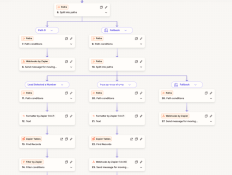
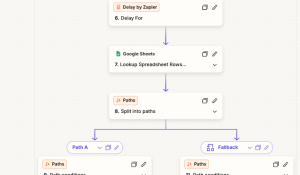
Extracted Medicaid IDs, CPT codes, units, EOBs, paid/denied values, and mapped them directly into structured data.
2
Matched data to provider roster automatically
Clean mapping for DHCS staff, staffing agencies, emails, and team leads — eliminating ID mismatches.
3
Converted units into accurate billable hours
Applied the 4 units = 1 hour logic consistently across all providers.
4
Generated invoices instantly in DocsAutomator
Created individualized invoices for 150+ providers from a single PDF.
5
Extracted denials into a clean follow-up repor
Centralized denial visibility for faster recovery and accountability.
Empower Psychotherapy needed to recruit licensed mental-health providers across Arizona and California. Manual sourcing on LinkedIn and Indeed was slow, repetitive, and often restricted by platform limitations. Finding verified emails, screening credentials, and sending outreach took hours — and consistency dropped when volume increased. Recruiting couldn’t scale beyond a few candidates per day.
Our Solution
1
Automated LinkedIn search & data extraction
Used PhantomBuster to run scheduled searches and export targeted provider profiles directly into Google Sheets.
2
Enriched profiles with verified contact details
Integrated RocketReach to automatically add accurate emails and professional data.
3
AI-powered candidate screening
Used ChatGPT-4o to filter providers by license type, eligibility, and location (AZ & CA).
4
Launched personalized outreach workflows
Qualified candidates received tailored emails with Calendly links, while Zapier handled follow-ups for non-responders.
Automated Content Research & Competitor Analysis
Content Creation & Social Media • n8n • Apify API • Google Sheets
The Challenge
Brandon spent nearly 2 hours every day researching content ideas for Instagram and LinkedIn. He manually searched for:
Trending keywords
Viral topics
High-performing competitor posts
Hashtags worth using
The process was slow, repetitive, and inconsistent — and it kept him from actually creating content.
Our Solution
1
Built an automated content-research workflow
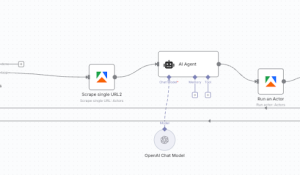
Used n8n + Apify API to scrape competitor posts and identify top performers daily.
2
Extracted high-impact keywords & hashtags
Filtered winning topics, keywords, and growth-driven hashtags automatically.
3
Delivered all insights into a structured Google Sheet
Brandon now receives fresh content ideas every day without lifting a finger.
4
Eliminated manual research entirely
The system acts as his personal content researcher — running 24/7.
Automated Permit Scraper for Construction Leads
Construction & Real Estate • n8n • Custom Scraper • Google Cloud • GPT-5 • Google Sheets • GoHighLevel
The Challenge
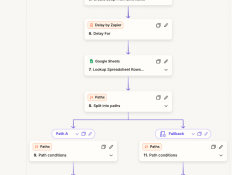
Construction and real-estate teams depend on fresh permit data to win bids — but accessing it consistently was nearly impossible.
They faced:
Government websites blocking scrapers after 2–3 attempts
Hours of manual downloading, cleaning, and uploading data
Lead lists updated monthly, not weekly — causing slow outreach
No scalable way to track hundreds of permits across multiple regions
High risk of duplicates, missing fields, and inconsistent formatting
Generating reliable weekly permit leads would normally require a full-time team.
Our Solution
1
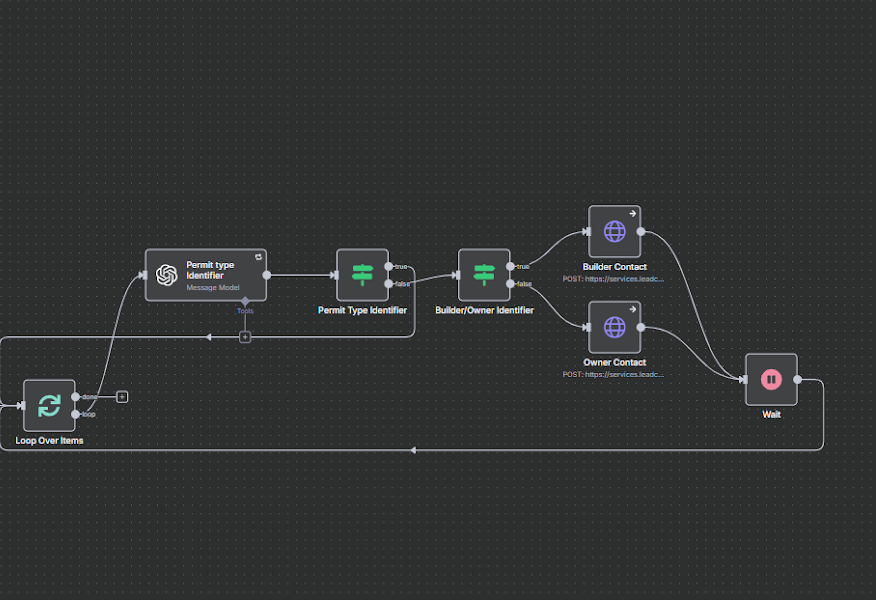
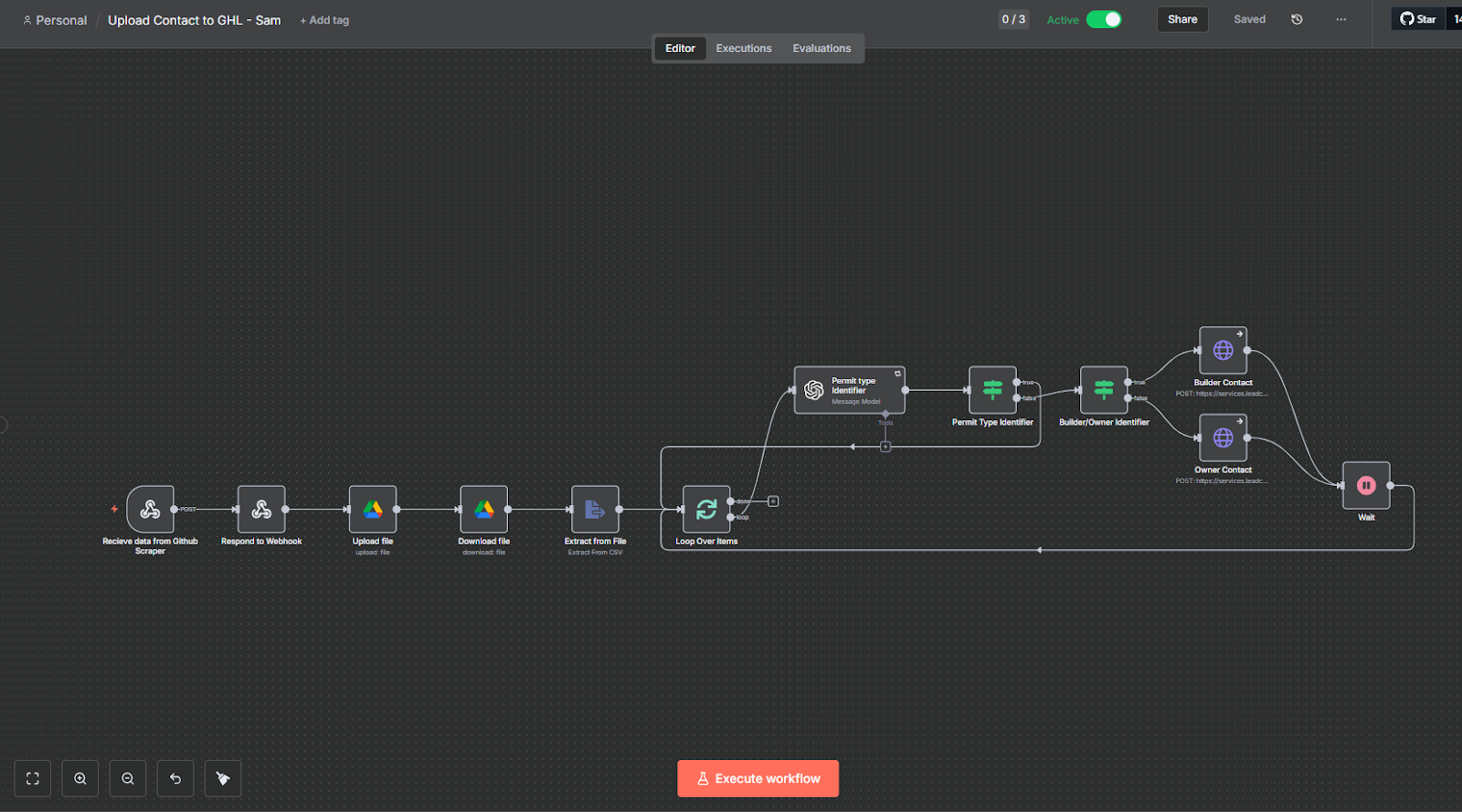
Automated weekly scraping of building permit reports
Pulled fresh reports from Construction Monitor every Monday at 8 AM.
2
Filtered only high-value permit types
Extracted Demolition, New Construction, Remodel, and Re-Roof permits.
3
AI-powered data cleanup
Used GPT-5 to validate layouts, normalize fields, and fill missing data
4
Centralized structured database in Google Sheets
Organized all cleaned permits into fixed tracking columns for QA and audits.
5
Synced leads directly into GoHighLevel
Auto-created contacts, applied tags, and routed them into the correct pipelines.
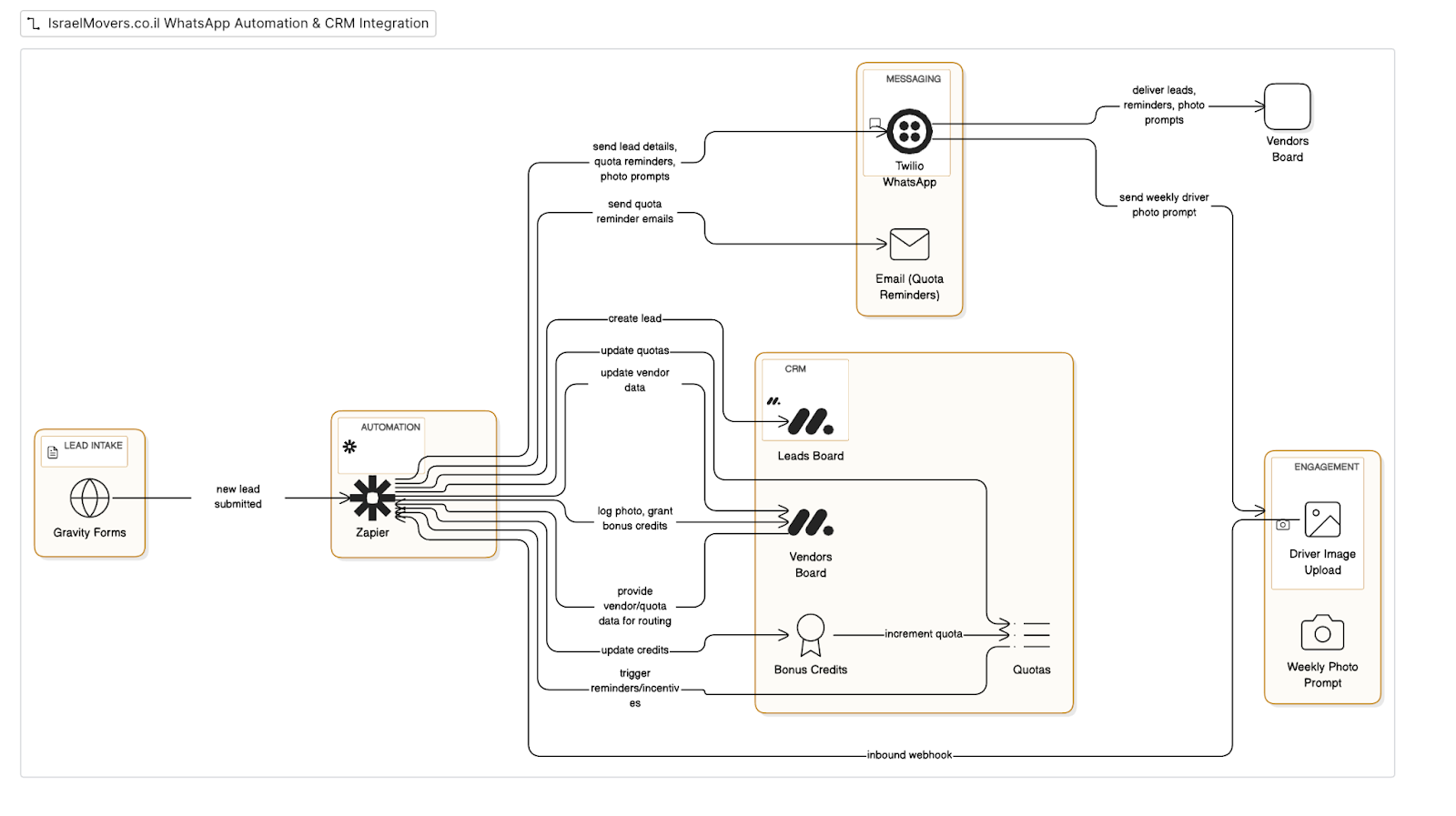
IsraelMovers — Automated Lead Flow & Vendor Engagement
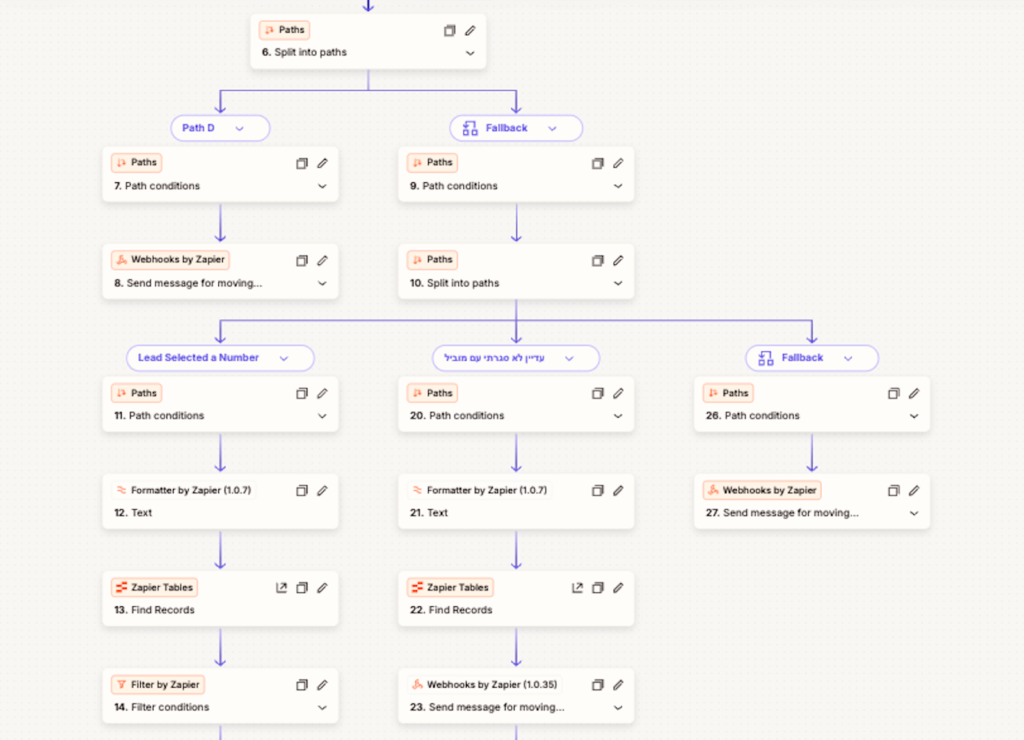
IsraelMovers.co.il managed hundreds of daily moving leads using Excel + SMS. This created: Delayed vendor responses and missed messages Manual routing that couldn’t keep up with volume Quota expirations that caused lost revenue Low vendor engagement No centralized visibility into lead status The process wasn’t scalable — and revenue depended on perfect timing.
Our Solution
1
Built a WhatsApp-first lead delivery system
Twilio WhatsApp replaced SMS for instant, trackable, high-engagement messaging (95%+ open rates).
2
Automated smart lead routing & quota protection
Each new lead was assigned to vendors automatically; delivery paused when quotas were reached.
3
Added renewal reminders to protect revenue
Vendors received automated alerts at 10 / 5 / 1 remaining leads to renew before downtime.
4
Boosted engagement with weekly driver photo prompts
Created a natural incentive loop — more photos = bonus credits + real social-proof content.
5
Synced everything inside Monday.com
Every lead, reminder, renewal, and media upload was logged for full visibility across the team.
Derya — Unified Automation & Business Visibility System
Digital Education & Coaching • Zapier • Apify • Google Sheets • Discord API • Monday.com • GA4 • Kajabi • Stripe • Typeform • Calendly • ActiveCampaign
The Challenge
Derya’s education business ran across 9+ platforms — none of which communicated with each other.
Every week involved:
5–6 hours of manual reporting
Fragmented data from GA4, Kajabi, Stripe, and more
Social tracking done one profile at a time
Broken Discord → Monday workflows
No unified view of the student journey
No real visibility from lead → purchase → student activity
The business was growing, but operations couldn’t keep up.
Our Solution
1
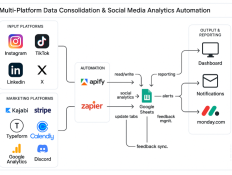
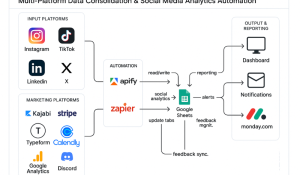
Connected all platforms into a single automated ecosystem
Synced GA4, Kajabi, Stripe, Calendly, Typeform, and ActiveCampaign through Zapier with cleaned, deduped data.
2
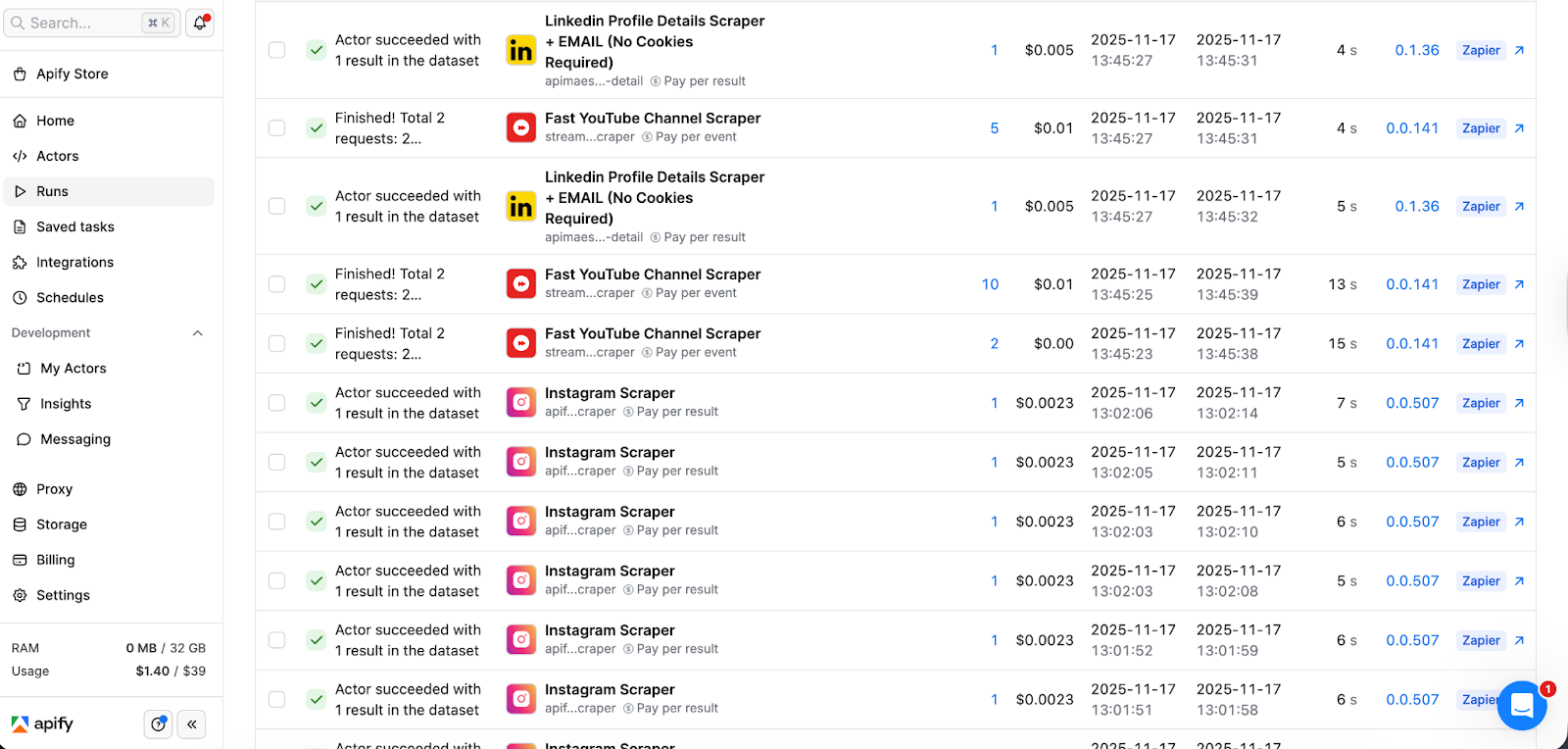
Automated social analytics across major platforms
Used Apify to capture posts, views, follower trends, and engagement from Instagram, TikTok, YouTube, LinkedIn & X.
3
Built a centralized Google Sheets data hub
Every metric linked via email, giving complete visibility across the student lifecycle.
4
Rebuilt Discord + Monday workflows with smart logic
No missed student messages, no manual reopening, and clean reactivation triggers
AI Director Matching — Automated Creative Shortlisting